Bienika Script Typeface Review
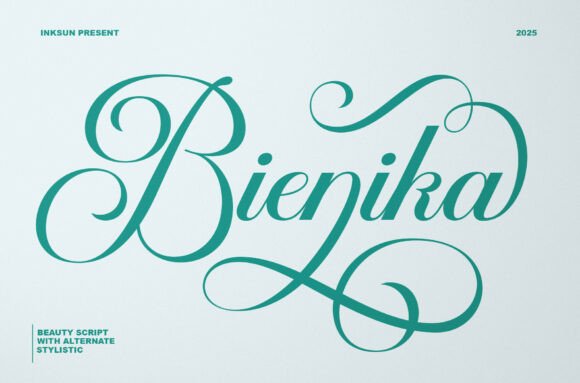
I was staring at a blank InDesign document, trying to nail the visual identity for a new artisanal skincare line called "Lumina." The brief called for something that felt luxurious but approachable—think soft textures, natural ingredients, and a touch of modern elegance. I had already tried three other script fonts, but they all felt either too stiff or too chaotic. That’s when I opened the Bienika font family. As an enchanting beauty script typeface, it immediately stood out because it masterfully combines fluid, calligraphic strokes with a modern, artistic flair. Defined by its graceful curves and high-contrast lines, this font eases you into a design workflow that feels both intuitive and sophisticated.
In this review, I’m sharing my honest experience testing Bienika across a realistic branding project. From logo drafts to packaging mockups, here is how this Script Handwritten style performs in real-world commercial design.
Bienika for Logo Design and Brand Identity Systems
When designing a brand identity, the primary logotype needs to carry weight without overwhelming the layout. I tested Bienika as the main headline for Lumina’s logo concept. Because it is a creative font with distinct character, it served perfectly as a display font rather than a supporting typeface. The high-contrast lines give it a premium feel, similar to luxury fashion brands, while the fluid strokes keep it from looking overly traditional or stuffy.
One thing I noticed during the logo drafting phase is how well Bienika handles short phrases. It shines as a headline font or logo font where letter spacing can be manipulated to create balance. However, it is not suitable for long body text or small-size applications like fine print on ingredient lists. For those elements, I paired it with a clean sans serif font to maintain readability and visual hierarchy. This combination allowed the brand to look professional and recognizable, leveraging the font’s artistic flair to draw attention to the name while keeping the information clear.
Bienika on Packaging Mockups and Product Labels
One of the most critical tests for any Fonts collection is seeing how it translates to physical surfaces. I created a mockup of a cream jar label using Bienika. The way the letters interacted with the matte finish of the mockup was impressive. The graceful curves caught the light in a way that suggested quality and care, which is essential for skincare branding.
Using Bienika for product labels works best when you treat it as an accent element. I used it for the product name ("Hydrating Serum") in a larger size, then switched to a neutral serif font for the description. This approach highlights the modern typography of the script while ensuring the consumer can actually read what the product does. If you are a handmade seller or running an online shop, this level of polish can significantly elevate your perceived value. The font’s ability to convey elegance makes it a strong choice for packaging design where aesthetics drive purchase decisions.
Bienika for Social Media Graphics and Digital Assets
Digital presence is just as important as physical branding. I applied Bienika to a series of Instagram posts and a website header for the Lumina project. On social media graphics, the font’s dynamic nature helps stop the scroll. It works exceptionally well for quotes, promotional banners, and event announcements. Because it is a handwritten font with a personal touch, it adds a human element to digital content that sterile sans serifs often lack.
For web design, I used Bienika sparingly. Placing it in the hero section as a large, impactful headline created an immediate emotional connection with visitors. However, I avoided using it for navigation menus or button text. Readability is key in UI/UX design, and while Bienika is beautiful, its decorative nature can hinder quick scanning. By reserving it for key visual moments, such as homepage headers or featured blog post titles, I maintained a clean user experience while still injecting personality into the site. This strategic use of design assets ensures that the font enhances the brand rather than distracting from it.
Bienika Pairing Strategies and Technical Details
A great font pairing strategy can make or break a design system. When working with a script like Bienika, the goal is to find a companion that grounds the design. I found that a geometric sans serif provided a perfect contrast to the organic curves of Bienika. The clean lines of the sans serif balanced the high-contrast flourishes of the script, creating a harmonious modern typography system. Alternatively, a classic serif font could work if you want to lean more into a traditional, editorial aesthetic.
From a technical standpoint, checking the included styles is crucial. Before finalizing the brand board, I reviewed the available weights, alternates, and ligatures. Bienika offers enough variation to allow for subtle typographic hierarchy within headlines. For instance, using different swashes or alternate characters can add unique touches to specific words without changing the overall font. It is also worth noting the file formats included. Having both desktop and webfont versions ensures consistency across platforms. If you are integrating this into a CMS or building a custom website, verifying webfont availability saves time and ensures the font renders correctly for all users.
Bienika for Wedding Invitations and Editorial Design
Beyond commercial branding, Bienika’s versatility extends to personal and editorial projects. Its enchanting beauty makes it an ideal choice for wedding invitations, save-the-dates, and stationery suites. The fluid strokes mimic the look of hand-lettering, which is highly sought after in the wedding industry. Similarly, for editorial design, such as magazine covers or book titles, Bienika adds a layer of sophistication that draws the eye. It serves as a powerful tool for commercial design assets that need to communicate luxury and attention to detail.
However, it is important to remember that not every project calls for a script font. If you are designing for a corporate law firm, a tech startup, or any context requiring strict formality and high-density information, Bienika would likely be inappropriate. It is best suited for niches where emotion, aesthetics, and personal connection are prioritized over rigid structure. Understanding these limitations helps designers choose the right tools for the job, ensuring that the final output aligns with the client’s goals.
Final Considerations for Buyers
Before purchasing or downloading Bienika, consider the scope of your intended use. While it is a fantastic addition to any designer’s toolkit for creative and lifestyle brands, always check the commercial font licensing terms. Ensure that your usage—whether for client work, merchandise, templates, or print-on-demand products—is covered by the license. This protects both you and the type designer. Overall, Bienika is a standout Script Handwritten option that brings a blend of artistry and professionalism to any project. If you are looking to add a touch of elegance and fluidity to your designs, this font is definitely worth testing in your next branding challenge.