Gothic Graffiti: The Urban Blackletter Typeface for Bold Digital Headers
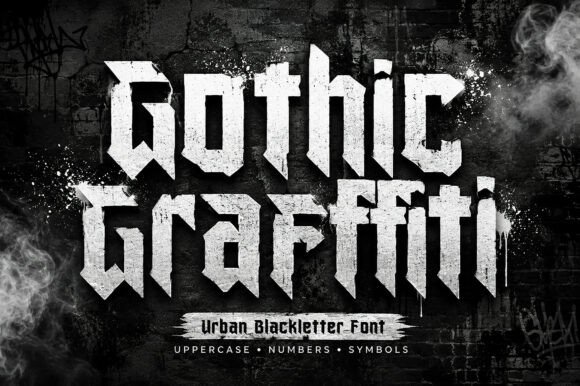
I was staring at a blank hero section on a new boutique streetwear landing page, trying to find a typeface that could bridge the gap between high-end editorial design and raw, underground culture. Most modern sans-serif fonts felt too sterile, while traditional calligraphy looked too formal for the brand’s edgy aesthetic. That was when I pulled up Gothic Graffiti. It wasn’t just another decorative font; it was a bold urban blackletter display font that fuses classic Gothic letterforms with raw street-art energy. Designed for creators who want to make a strong visual statement, this font immediately transformed the layout from generic to memorable.
In web design, choosing a display font is a high-stakes decision. You need something that grabs attention in milliseconds but doesn’t break the user experience. After testing Gothic Graffiti across various screen sizes and background contrasts, I found it to be an exceptional tool for brands that need to project confidence, creativity, and authenticity. Below, I’m sharing my practical experience integrating this Blackletter style into a real-world digital project, focusing on readability, pairing strategies, and effective implementation.
Why Gothic Graffiti Works for Modern Brand Identity Projects
The first thing you notice about Gothic Graffiti is its attitude. Unlike historical blackletter fonts that can feel heavy or archaic, this typeface has been streamlined for contemporary screens. It retains the sharp angles and intricate details of medieval manuscripts but strips away the visual clutter that often makes old-style fonts difficult to render on low-resolution displays. For a web designer, this balance is crucial. It allows you to use the font as a primary headline without worrying that it will look muddy or pixelated on mobile devices.
When building a brand identity for a creative agency or a lifestyle blog, consistency is key. This font provides a distinctive voice that sets your site apart from the sea of Helvetica and Roboto clones. It signals to the visitor that your content is curated, bold, and intentional. In my recent project for a digital marketing course sales page, using this font for the main value proposition helped establish immediate authority. It told the audience, "We are serious about our craft," without needing extra words to explain it. The visual weight of the letters commands space, making it ideal for hero sections where you have only a few seconds to hook the reader.
Best Use Cases for Gothic Graffiti in Web Design Layouts
Determining where to place a display font like Gothic Graffiti requires a strategic approach to visual hierarchy. While it is tempting to use it everywhere, its power lies in its specificity. Here are the most effective ways I’ve integrated this Blackletter style into functional web layouts:
- Hero Section Headlines: This is the font’s sweet spot. Large, impactful text over a dark or textured background creates an instant emotional connection. It works exceptionally well for fashion brands, music festivals, or creative portfolios.
- Section Dividers and Pull Quotes: Breaking up long-form blog posts or article pages with short, stylized quotes adds rhythm to the reading experience. The contrast between the ornate font and clean body text keeps readers engaged.
- Call-to-Action (CTA) Accents: While not recommended for the button text itself due to legibility concerns, using the font for small labels above or below a CTA button can add a layer of personality. For example, a "Limited Edition" tag above a purchase button feels more exclusive when styled in this typeface.
- Logo Design and Watermarks: For startups looking to establish a unique logo, this font offers a ready-made graphic element. It also serves well as a subtle watermark on portfolio images or PDF downloads, protecting intellectual property while adding brand flair.
Avoid using Gothic Graffiti for navigation menus, footers, or lengthy paragraphs. The intricate details of the letterforms reduce scanning speed, which can frustrate users trying to find information quickly. As a UI designer, my goal is always to reduce cognitive load. By restricting this font to high-impact, low-volume text areas, I ensure that the user journey remains smooth and intuitive.
Font Pairing Strategies for Balanced Typography
No single font can do everything. To make Gothic Graffiti work effectively in a responsive website design, it must be paired with a neutral, highly readable typeface. The contrast between the decorative display font and a simple body font creates a professional, polished look. If both fonts are busy, the design becomes chaotic and hard to read.
In my latest project, I paired this Blackletter style with a clean geometric sans-serif font for the body copy. The sans-serif provided the necessary structure and clarity, allowing the viewer to easily digest product descriptions, pricing tables, and terms of service. This combination—bold and ornate versus simple and functional—is a classic design principle that ensures accessibility. The sans-serif handles the heavy lifting of communication, while the display font provides the emotional hook.
For a more editorial or luxury feel, you might consider pairing it with a high-contrast serif font. This combination leans into the historical roots of the Blackletter style, creating a sophisticated atmosphere suitable for art galleries, high-end jewelry stores, or premium coaching websites. The key is to maintain a clear distinction in weight and complexity. Let the Gothic Graffiti shine as the star, and let the supporting typography play the role of the reliable narrator.
Technical Considerations for Web Implementation
Before committing to any premium font, technical checks are non-negotiable. When evaluating Gothic Graffiti, I always check the file formats included in the download. For web use, you need WOFF2 files to ensure fast loading times and broad browser compatibility. If the font package lacks these formats, you may face performance issues or inconsistent rendering across different devices.
Another critical factor is multilingual support. If your target audience includes non-English speakers, verify whether the font includes extended Latin characters or other language support. Many display fonts are limited to basic English alphabets, which can restrict your global reach. Additionally, review the licensing agreement carefully. Ensure that the commercial license covers your specific use case, whether it’s for a client project, an online store, or a SaaS platform. Some fonts restrict usage on paid templates or require additional fees for high-traffic sites.
Testing the font on actual mobile devices is also essential. What looks balanced on a 27-inch monitor might appear cramped on a 6-inch smartphone screen. Adjust the font size and line height accordingly. For Gothic Graffiti, I found that increasing the letter spacing slightly improved readability on smaller screens without sacrificing the dense, energetic character of the design. These small tweaks make a significant difference in user retention and overall satisfaction.
Elevating Your Digital Presence with Bold Typography
Typography is more than just text; it is the voice of your brand in the digital space. Choosing Gothic Graffiti is a deliberate choice to stand out in a crowded market. It appeals to audiences who value authenticity, creativity, and boldness. Whether you are redesigning a legacy brand or launching a new startup, this font can provide the visual punch needed to capture attention.
By integrating this Blackletter style strategically, you create a cohesive narrative that resonates with your visitors. It transforms a standard webpage into an immersive experience. From the initial hero banner to the final footer accents, every instance of the font reinforces your brand’s personality. As a designer, my job is to facilitate that connection, and having access to versatile, high-quality Fonts like Gothic Graffiti makes that job significantly easier. It allows us to focus less on fixing broken layouts and more on crafting compelling stories that convert.