Reduced Ornament Typeface for Editorial Design
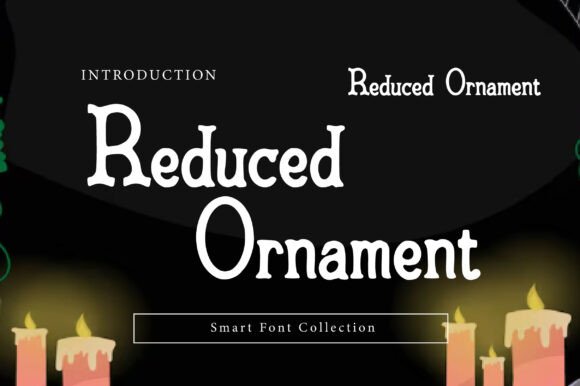
Reduced Ornament is a classic decorative serif font with a clean, vintage character that brings an immediate sense of authority and timeless elegance to any publication. In the world of digital publishing, where attention spans are short and visual hierarchy is paramount, selecting the right typeface can make the difference between a reader who bounces and one who stays engaged. As someone who has spent years designing layouts for magazines, ebooks, and high-traffic blogs, I have found that Reduced Ornament strikes a rare balance: it keeps the ornamental, old-style charm while staying readable and balanced—making it perfect for elegant typography in both print and digital formats.
This slab serif style offers more than just aesthetic appeal; it provides a structural backbone for editorial design. Whether you are crafting a premium newsletter, a coffee-table style ebook, or a series of social media graphics for a lifestyle brand, understanding how to leverage this font’s specific personality is key to creating cohesive content. Below, we explore how Reduced Ornament fits into modern workflows and why it deserves a spot in your design toolkit.
Reduced Ornament for Magazine Covers and Digital Headers
When designing magazine covers or prominent blog headers, the goal is to arrest the eye without overwhelming the message. Reduced Ornament excels in this role because its slab serif structure commands attention through weight and presence rather than excessive decoration. The font’s vintage character evokes the feel of early 20th-century broadsheets or classic literary journals, which instantly lends credibility to the content it titles.
For digital publishers, using Reduced Ornament as a display font for H1 tags creates a strong visual anchor. Unlike generic sans-serif headlines that can feel sterile, this typeface adds warmth and narrative depth. Imagine a long-form journalism piece on a history blog; pairing a bold Reduced Ornament headline with a clean, neutral body font allows the title to pop while maintaining a sophisticated tone. It works exceptionally well for section dividers and pull quotes, breaking up dense text and guiding the reader’s eye through complex articles. The clean lines ensure that even at large sizes, the letters remain distinct and legible, preventing the "muddy" look that can plague overly ornate fonts on high-resolution screens.
Reduced Ornament in Ebook Titles and Chapter Openers
Ebook creators often struggle with readability across different devices, from small smartphone screens to large tablets. This is where the balanced nature of Reduced Ornament becomes invaluable. While many decorative fonts lose their integrity when scaled down, this font maintains its clarity. It is particularly effective for chapter openers and subtitle treatments in non-fiction guides, cookbooks, or self-help workbooks.
Consider a recipe ebook or a travel guide. Using Reduced Ornament for dish names or destination headers creates a thematic consistency that feels curated and professional. The font’s old-style charm suggests tradition and quality, which subtly influences the reader’s perception of the content’s value. For interior pages, however, it is crucial to reserve Reduced Ornament for headings and accents. Body copy should always be set in a highly legible serif or sans serif font to ensure comfortable reading over extended periods. By using Reduced Ornament strategically for titles, subtitles, and drop caps, you create a clear visual hierarchy that helps readers navigate the book effortlessly.
Reduced Ornament for Newsletter Branding and Lead Magnets
In the crowded space of email marketing, your newsletter needs to stand out in the inbox and provide a delightful reading experience once opened. Reduced Ornament serves as an excellent tool for building brand identity in newsletters. When used sparingly for the sender name, subject line previews (if custom-designed), or graphic overlays within the email body, it adds a layer of polish that distinguishes your communication from standard text-heavy blasts.
Lead magnets such as printable planners, worksheets, and checklists also benefit significantly from this typeface. A downloadable PDF guide titled with Reduced Ornament feels like a tangible product rather than a mere digital attachment. The font’s robust structure holds up well in print, ensuring that black-and-white copies still look sharp and intentional. For course creators and coaches, using Reduced Ornament on module headers or certificate templates reinforces the educational and authoritative nature of the material. It signals to the student that the content is well-researched and professionally presented.
Font Pairing Strategies for Editorial Layouts
One of the most common questions designers face is how to pair a display font like Reduced Ornament with body text. The golden rule of editorial design is contrast. Because Reduced Ornament is a slab serif with distinct character, it pairs beautifully with lighter, simpler typefaces that do not compete for attention.
- Pair with Clean Sans Serifs: For a modern twist, pair Reduced Ornament with a geometric sans serif like Helvetica Now or Montserrat for captions, navigation menus, and UI elements. This combination bridges the gap between vintage charm and contemporary minimalism, making it ideal for tech blogs or startup publications.
- Pair with Light Serifs: For a more traditional, literary feel, combine Reduced Ornament with a delicate humanist serif for body copy. This creates a rich typographic texture reminiscent of high-end print magazines. The heavy weight of the headings grounds the lightness of the body text, creating a harmonious rhythm.
When selecting these pairs, consider the x-height and stroke width. Since Reduced Ornament has a consistent stroke weight typical of slab serifs, avoiding other heavy slab serifs for body text prevents visual fatigue. Instead, opt for fonts with varying stroke widths to introduce organic movement that contrasts with the structured nature of the display font.
Readability and Technical Considerations for Web and Print
Before integrating Reduced Ornament into your projects, it is essential to evaluate its technical specifications. As a commercial font, it likely includes multiple weights and styles, which offer flexibility in establishing hierarchy. Check for included features such as ligatures, alternates, and multilingual support if your audience is global. These details can enhance the professionalism of your final output, allowing for nuanced adjustments in spacing and glyph selection.
For web implementation, ensure that the font files are optimized for fast loading. Use WOFF2 formats and consider fallback stacks in case the custom font fails to load. On mobile devices, test the rendering of Reduced Ornament at various viewport sizes. While the font is designed for readability, very small sizes may require adjusting line height and letter spacing to maintain comfort. For print materials, verify the resolution of your export settings. The clean edges of the slab serif will reproduce sharply on high-quality paper stocks, enhancing the tactile experience of physical guides or brochures.
Commercial Licensing and Usage Rights
Finally, always respect the intellectual property rights associated with premium fonts. Reduced Ornament is intended for use in both personal and commercial projects, but it is vital to review the specific license agreement provided by the foundry. Typical allowances include use in ebooks, websites, social media graphics, and printed merchandise. However, restrictions may apply to reselling the font file itself or embedding it in certain software applications. By adhering to these guidelines, you protect your brand from legal issues and support the designers who create these valuable assets. Investing in a high-quality, versatile typeface like Reduced Ornament is an investment in the overall quality and trustworthiness of your content.