Sugar Mochi: A Minimalist Sans Serif Typeface for Modern Branding
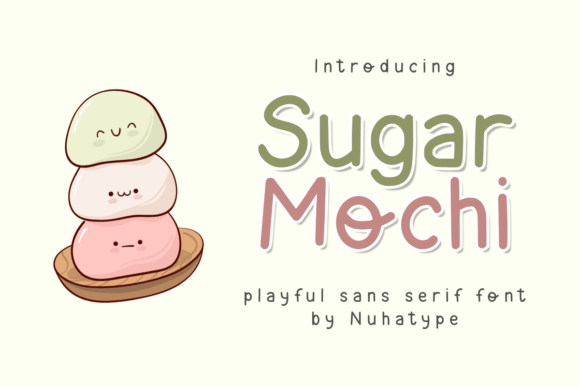
I opened a blank brand board on my screen, staring at the empty canvas where a new boutique skincare identity was supposed to take shape. The client wanted something that felt organic yet crisp, a visual language that whispered rather than shouted. After skimming through dozens of heavy display fonts and generic geometric options, I dragged Sugar Mochi onto the workspace. This elegantly minimalist, thin sans serif font immediately transformed the mood of the project, mirroring the charm of natural handwriting without sacrificing the clean structure required for professional design.
As an experienced brand designer, I rarely find a typeface that balances such delicate aesthetics with functional versatility. Sugar Mochi is not just another decorative asset; it is a strategic tool that brings a simplistic allure to planners, interior KDP projects, journals, and Cricut crafts. In this review, I will walk you through how this Sans Serif font performed when tested across real-world branding scenarios, from logo drafts to social media layouts.
Sugar Mochi for Logo Design and Boutique Identity Systems
When I first applied Sugar Mochi to a logo concept for a local artisan bakery, the results were strikingly effective. As a thin Sans Serif option, it offered a level of sophistication that thicker fonts simply could not achieve in this context. The challenge with many handwritten-style fonts is that they often look messy or illegible when scaled down for favicons or business cards. However, Sugar Mochi maintains its clarity even at small sizes because of its refined stroke weight and open counters.
The font excels in bringing a simplistic allure to logos where elegance is paramount. Its subtle curves mimic the fluidity of a pen on paper, which adds a human touch to a brand identity that might otherwise feel cold or corporate. I found that pairing this creative font with a sturdy serif font created a perfect balance—the sugar-coated softness of the logo contrasted beautifully with the structural reliability of the supporting text. For brands aiming to convey purity, simplicity, and handcrafted quality, this typeface serves as an excellent foundation for a cohesive visual system.
Visual Hierarchy in Packaging and Product Labels
Moving beyond the logo, I tested Sugar Mochi on packaging mockups for a line of handmade soaps. The goal was to create labels that looked premium but approachable. Fonts like these are essential for product labels where space is limited and every character counts. The thin strokes of Sugar Mochi allow for intricate details to remain visible without cluttering the design, making it ideal for ingredient lists or short descriptive phrases on jars and boxes.
In the world of commercial design, readability is king, yet personality is queen. This Sans Serif font manages to hold both titles simultaneously. When used on a matte black label, the white outlines of the letters popped with a modern, high-end feel. It proved that a minimalist aesthetic does not have to be boring; instead, it can be highly engaging if the typography is chosen with intention. The font's ability to stand out against textured backgrounds makes it a standout choice for packaging design that needs to catch the eye on a crowded shelf.
Sugar Mochi for Planners, Journals, and Interior KDP Projects
One of the most surprising discoveries during my testing phase was how well Sugar Mochi adapted to digital and print products like planners and journals. The prompt mentions that this font excels in bringing a simplistic allure to planners, interior KDP, and journals, and my experience confirmed this fully. When designing cover pages for a 2024 productivity journal, the font provided a clean, uncluttered look that encouraged users to engage with the content inside.
For creators selling on platforms like Etsy or Amazon KDP, having a versatile Sans Serif font is crucial. Sugar Mochi works exceptionally well for chapter headers, daily prompts, and decorative dividers. Unlike overly stylized script fonts that can become hard to read after a few pages, this typeface remains legible and inviting throughout long-form documents. It bridges the gap between a formal document and a personal diary, making it a top-tier choice for interior layout design. Whether you are designing a wedding planner or a gratitude journal, the natural handwriting vibe adds a layer of warmth that standard block letters lack.
Crafting with Cricut and Handmade Shop Branding
I also put Sugar Mochi to the test in the realm of physical crafting, specifically using it with a Cricut machine for vinyl decals. Many fonts fail here because their thin lines break apart when weeded or cut too fine. Sugar Mochi, however, held up remarkably well. The consistent stroke width ensured that the cuts were clean, resulting in sharp, professional-looking stickers and signs.
This reliability makes it a fantastic resource for crafters and small business owners who produce merchandise like tote bags, mugs, and t-shirts. The font's ability to mirror the charm of natural handwriting translates perfectly to DIY projects, giving mass-produced items a custom, boutique feel. If you are a creator looking to elevate your shop's branding with unique, hand-crafted aesthetics, this font offers the precision needed for cutting machines while retaining the artistic soul of a brush lettering style.
Strategic Font Pairing and Usage Limitations
To get the most out of Sugar Mochi, understanding what it is—and what it isn't—is vital. While it is a powerful display font for headlines, logos, and accents, it is generally not recommended for long body text. Its thin weight can disappear on low-resolution screens or when printed on cheap paper, leading to potential readability issues in paragraphs. For extensive editorial design or technical manuals, a heavier weight or a more robust sans serif font would be safer.
However, when used correctly as a headline font or accent font, the possibilities are endless. I recommend pairing Sugar Mochi with a classic serif font for editorial pieces or a neutral grotesque sans serif for modern web design. This combination creates a dynamic visual hierarchy where the headline draws attention with its elegant flair, while the body text ensures comfort and readability. Always check the included styles and alternate characters before finalizing your design assets; having access to different weights or swashes can significantly expand your creative palette.
Before committing to a full brand overhaul, I suggest downloading a trial version and testing Sugar Mochi on your specific use cases. Try it on a website header, a social media post, and a printed business card. This hands-on approach ensures the font aligns with your brand's voice and technical requirements. Remember to review the commercial font licensing terms carefully, especially if you plan to use the typeface in client work, templates, or merchandise for sale.
In conclusion, Sugar Mochi is more than just a pretty face in your font library. It is a versatile Sans Serif solution that delivers on its promise of minimalism and charm. Whether you are designing a high-end brand identity, a cozy journal, or custom Cricut crafts, this font provides the simplistic allure necessary to make your projects stand out. For designers seeking a blend of modern cleanliness and handwritten warmth, Sugar Mochi is a worthy addition to any professional toolkit.