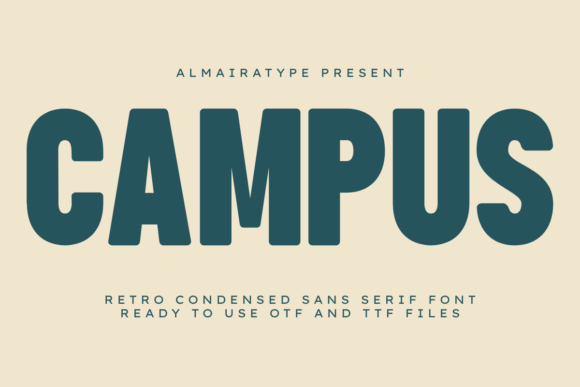
Campus Bold Retro Sans Serif Typeface for Digital Branding
When integrating Campus into a modern web design workflow, the immediate impact is one of structured authority and nostalgic energy. As a Sans Serif typeface, it offers more than just legibility; it provides a distinct visual voice that commands attention in crowded digital spaces. For UI designers and digital product creators, selecting the right Fonts is critical because typography dictates the rhythm of user interaction. Campus delivers a bold, retro aesthetic that feels both timeless and urgently contemporary, making it an excellent choice for projects that need to stand out without sacrificing readability.
Campus for High-Impact Hero Sections and Landing Pages
The primary strength of Campus lies in its ability to anchor high-visibility areas of a website. Its strong, blocky letterforms create a sense of stability and confidence, which is essential for hero sections where you have only seconds to capture a visitor’s interest. When used for headlines on landing pages, the font’s athletic spirit translates into a dynamic visual hierarchy that guides the eye naturally toward your value proposition. Unlike delicate or overly decorative typefaces, Campus maintains its structural integrity even at large sizes, ensuring that your main message remains clear and impactful. This makes it particularly effective for e-commerce banners, SaaS product launches, and creative agency portfolios where first impressions drive conversion rates.
Incorporating Campus into your layout allows you to establish a brand tone that is energetic yet professional. The retro influences evoke a sense of trust and established quality, while the modern sans-serif structure ensures it does not feel outdated. For digital marketers, this balance is crucial. You want your typography to feel familiar enough to be readable but unique enough to be memorable. By using Campus for short, punchy headlines, you can create a scanning experience that encourages users to move deeper into your content. The weight and spacing of the characters provide ample breathing room, reducing visual clutter and enhancing the overall user experience on mobile devices where screen real estate is limited.
Campus for Athletic and Collegiate-Inspired Web Identities
If your project involves sports, fitness, education, or youth-oriented brands, Campus brings a powerful collegiate aesthetic that resonates with target audiences. The font’s design language draws from classic university branding and athletic jerseys, creating an instant association with teamwork, achievement, and community. For web designers working on sports club websites, fitness app interfaces, or educational platforms, this typeface can reinforce the brand narrative without needing additional graphical elements. The bold strokes mimic the look of team logos and event posters, adding a layer of thematic depth to your digital presence.
This niche appeal extends beyond literal sports applications. Brands aiming for a "streetwear" vibe, urban lifestyle stores, or creative workshops can leverage the font’s gritty, authentic character. In these contexts, Campus serves as a visual shorthand for authenticity and raw energy. When paired with high-contrast imagery or dark backgrounds, the white space within the letters pops, creating a striking contrast that demands attention. For online store owners, this means product banners and promotional pop-ups designed with Campus are more likely to stop the scroll and encourage clicks. The font’s versatility allows it to adapt to various color palettes, from vibrant neon accents to muted earth tones, maintaining its legibility and impact across different design systems.
Campus for Readability and Visual Hierarchy in Content Sections
While Campus is primarily a display font, its robust construction supports effective visual hierarchy when used strategically. In long-form content sections, such as blog posts, course descriptions, or feature lists, using Campus for subheadings helps break up text blocks and improve scanability. The distinct shape of each character prevents confusion, allowing readers to quickly identify section topics. For UI designers, this clarity reduces cognitive load, making navigation intuitive and engaging. When designing for accessibility, the high contrast between the thick stems and thin counters of Campus ensures that headings remain distinguishable even for users with visual impairments or those viewing on low-resolution screens.
To maximize effectiveness, limit Campus to key structural elements rather than body copy. Use it for call-to-action buttons, testimonial headers, or icon labels to create focal points within the layout. This approach leverages the font’s personality without overwhelming the reader. For instance, on a coaching website, using Campus for the "Book a Session" button creates a sense of urgency and importance that aligns with the service being offered. Similarly, in a digital product template, using Campus for price tags or discount badges adds a touch of excitement and exclusivity. The key is consistency; by restricting Campus to specific roles, you maintain a clean, organized interface that feels cohesive and professionally crafted.
Campus Font Pairing Strategies for Modern Web Design
Integrating Campus into a broader typographic system requires thoughtful pairing to balance its bold personality with functional readability. Since Campus is a statement piece, it pairs exceptionally well with simple, neutral sans serif fonts for body text. Fonts like Inter, Roboto, or Helvetica Neue provide a calm backdrop that allows Campus to shine without competing for attention. This combination creates a harmonious rhythm where the eye rests comfortably on paragraphs while still being drawn to the energetic headlines. For brands seeking a more editorial or sophisticated look, pairing Campus with a classic serif font can create a compelling contrast between tradition and modernity. This juxtaposition works well for luxury goods, fashion blogs, or cultural institutions that want to convey heritage alongside innovation.
When considering file formats and technical implementation, ensure that Campus includes multiple weights and styles to support responsive design. A comprehensive font family allows you to adjust emphasis based on screen size and context. Check for webfont availability to guarantee fast loading times and consistent rendering across browsers. Additionally, verify multilingual support if your audience is global, as some retro-inspired fonts may lack extended character sets. Proper licensing is also essential; always confirm that your commercial font license covers web usage, client projects, and digital templates. By treating Campus as a core asset in your design toolkit, you ensure that every digital touchpoint reflects a unified, high-quality brand identity that drives engagement and trust.