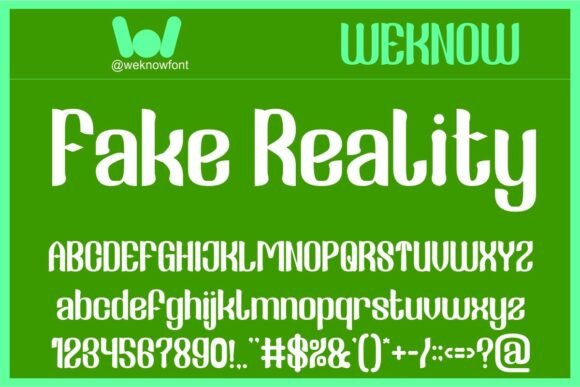
Fake Reality: A Striking Display Serif for Editorial Design
I was sitting at my desk last Tuesday, staring at a blank InDesign file for a lifestyle blog’s seasonal editorial feature. The content was ready, the photography was crisp, but the typography felt flat. It lacked that specific vintage flair I wanted to evoke—a sense of nostalgia mixed with modern sophistication. That is when I remembered Fake Reality, a striking display serif typeface that had been sitting in my asset library for months. I decided to test it out, not just as a decorative element, but as the backbone of the page’s visual hierarchy. What followed was a revelation in how a well-chosen font can transform a simple layout into an immersive reading experience.
Fake Reality for Blog Headers and Digital Magazine Covers
When you first open Fake Reality, you are immediately struck by its imaginative fusion of Art Nouveau curves and bold stencil influences. This combination creates a unique rhythm that is perfect for grabbing attention without shouting. For bloggers and digital magazine designers, this font excels in high-impact areas where readability is secondary to mood-setting. I applied it to the main header of our article, setting it in a large, bold weight against a soft cream background. The stencil details added texture and depth, making the text feel tactile even on a screen.
The versatility of these fonts lies in their ability to balance elegance with edge. Unlike traditional serif fonts that might feel too conservative for a creative lifestyle brand, Fake Reality brings a playful yet refined energy. It works exceptionally well for pull quotes, section dividers, and chapter openers. When used for subheadings, it maintains enough clarity to guide the reader through the content structure while adding a layer of visual interest that keeps the eye moving down the page. For newsletter graphics or social media headers, this typeface offers a premium look that elevates the perceived value of your content instantly.
Fake Reality in Printable Planners and Workbook Layouts
One of the most surprising use cases I discovered was incorporating Fake Reality into printable planners and coaching workbooks. These products require a strong brand identity that feels both professional and inspiring. The vintage aesthetic of this display font lends itself beautifully to themes of self-care, creativity, and organization. I tested it on a cover design for a digital wellness guide, pairing the title with clean sans-serif body text. The contrast between the ornate, expressive title and the functional body copy created a sophisticated hierarchy that made the document easy to navigate.
For creators selling digital downloads, such as wedding guides or recipe ebooks, the right typography can be the difference between a generic template and a branded product. Fake Reality adds a touch of luxury and personalization. Its serif characteristics provide stability, while the stencil cuts add a modern twist that appeals to contemporary audiences. When designing worksheets, using this font for key action items or motivational quotes helps them stand out. It signals to the user that this moment in the document is important, encouraging engagement with the material. The font’s distinct personality ensures that your printables remain memorable long after they have been downloaded.
Font Pairing Strategies for Editorial Consistency
Using a display serif like Fake Reality effectively requires thoughtful font pairing. Because of its strong visual character, it is best reserved for titles, subtitles, and decorative accents rather than long-form body copy. To maintain readability and ensure a cohesive editorial design, I recommend pairing it with a neutral, highly legible serif or a clean sans-serif font. In my recent project, I paired Fake Reality with a classic humanist serif for the article body. This combination allowed the headline to shine while ensuring that the text remained comfortable to read on mobile devices and in PDF exports.
The goal is to create a balanced typographic system where each font plays a specific role. Fake Reality handles the emotional heavy lifting, setting the tone and establishing the publication identity. Meanwhile, the companion font supports the content, providing the clarity needed for dense paragraphs or detailed instructions. This approach is particularly effective for editorial features, course materials, and client publications where both aesthetics and functionality are paramount. By limiting the number of typefaces used, you create a consistent visual language that strengthens your brand recognition across all platforms.
Practical Considerations for Commercial Use
Before integrating Fake Reality into your next publishing project, it is essential to review the technical specifications included with the license. High-quality commercial fonts often come with a variety of weights, alternates, and ligatures that allow for greater customization. Check if the package includes multilingual support, especially if you plan to reach international audiences. Additionally, verify the file formats available—typically OTF and TTF files are standard, but some packages may offer variable font options for web design flexibility.
Understanding the licensing terms is also crucial. Ensure that your intended use, whether it be for ebooks, templates, paid newsletters, or client work, is covered under the commercial font license. Using Fake Reality in logo design or packaging design should also be verified against the specific terms provided by the foundry. By doing this due diligence, you protect your intellectual property and ensure that your design assets are legally sound. Ultimately, investing in a premium font like Fake Reality pays off in the quality and professionalism of your final output, making it a worthwhile addition to any designer’s toolkit.