Mofis Typeface Review: A Modern Serif for Editorial Design
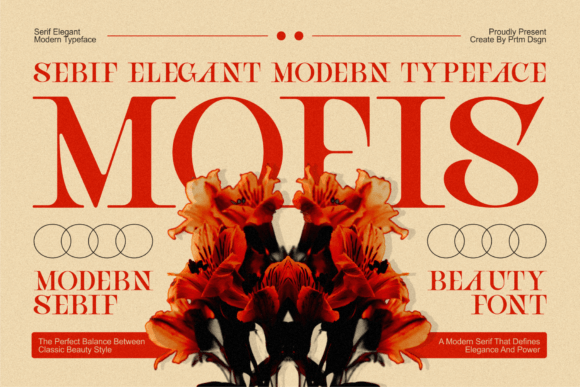
The cursor blinked on the blank canvas, a silent challenge to any designer facing a new project. It was 2 AM, and I was redesigning the header for a premium lifestyle newsletter that had seen its engagement dip over the last quarter. The previous layout felt cluttered, lacking the visual breathing room that modern readers demand. I needed a typeface that could command attention without shouting, one that balanced classic editorial authority with a contemporary, approachable warmth. That is when I turned to Mofis, a modern serif typeface that blends classic beauty with a strong contemporary touch. As I began testing it against various headline structures and pull quotes, I realized this font wasn’t just another addition to my library; it was the missing piece of our publication’s identity.
Mofis for Digital Magazine Headers and Newsletter Titles
When evaluating Mofis for digital publication headers, the first thing that strikes you is its confident yet refined character. In the world of online reading, where users scan rather than read, the hierarchy of your typography dictates how long they stay. Mofis offers a distinct visual rhythm that separates headlines from body text immediately. Unlike many sans-serif fonts that can feel cold or corporate in editorial contexts, this serif font carries an inherent elegance that signals quality content. I applied Mofis to the main title of our latest feature article, and the contrast between the thick vertical stems and the delicate hairlines created a sophisticated anchor for the page. It works exceptionally well as a display font for magazine covers or weekly digest titles because it draws the eye without overwhelming the surrounding graphics. For creators building a brand identity around thought leadership or high-end journalism, using Mofis for these primary touchpoints establishes an immediate tone of credibility and style.
Mofis in Printable Planners and Coaching Workbooks
One of the most surprising and effective applications I found for Mofis was in the realm of digital products, specifically printable planners and coaching workbooks. These assets require a blend of structure and inspiration. Too often, workbook designers default to rigid geometric fonts that feel sterile, or overly decorative scripts that lack readability. Mofis sits perfectly in the middle. Its bold yet elegant character provides the structure necessary for organized layouts while retaining the human touch that encourages users to engage with the material. I tested it in a multi-page wellness guide, using it for chapter openers and section dividers. The font’s subtle curves softened the clinical feel of the worksheets, making the process of self-improvement feel more inviting. When paired with a clean sans serif font for the instructional body copy, Mofis served as the perfect visual leader, guiding the reader through the content with grace. This versatility makes it a valuable asset for course creators and independent publishers looking to elevate their design assets beyond basic templates.
Mofis for Wedding Guides and Elegant Branding Projects
In the niche of wedding planning and luxury branding, mood is everything. Couples and clients are not just buying information; they are buying a feeling. Mofis delivers that feeling effortlessly. I used this typeface in a mock-up for a digital wedding guide, pairing it with soft pastel imagery and minimalist line art. The font’s ability to strike the perfect balance between subtlety and visibility made it ideal for pull quotes and key dates within the layout. It feels timeless, avoiding the trap of trendy typographic styles that date quickly. For boutique agencies or freelancers specializing in event design, incorporating Mofis into proposals and lookbooks can significantly enhance perceived value. It communicates a sense of curated taste. Whether you are designing a menu, an invitation suite, or a social media graphic for a bridal brand, Mofis adds a layer of polish that generic fonts simply cannot replicate. Its modern serif classification ensures it fits seamlessly into contemporary aesthetics while honoring traditional notions of elegance.
Readability Considerations for Long-Form Content
While Mofis shines as a display and heading font, it is crucial to understand its limitations regarding body copy. Like many expressive serif fonts, it possesses unique stylistic nuances—such as specific ligatures and alternates—that add character but can reduce legibility when set in dense paragraphs. In my review of various layout scenarios, I found that using Mofis for extended reading passages on mobile screens caused slight fatigue due to its high contrast and distinctive shapes. Therefore, the best practice is to reserve Mofis for titles, subtitles, blockquotes, and short introductory texts. For the main body of your articles, ebooks, or newsletters, pair it with a highly readable neutral serif or a clean sans serif font. This combination leverages the emotional appeal of Mofis for grabbing attention while ensuring that the actual content remains accessible and easy to digest. Understanding this distinction is vital for maintaining professional standards in editorial design. By letting Mofis lead the visual hierarchy and allowing a more subdued font to handle the heavy lifting of information delivery, you create a harmonious reading experience that respects the user’s time and cognitive load.
Technical Details and Commercial Licensing for Designers
Before integrating Mofis into client projects or commercial products, designers must verify the technical specifications and licensing terms. High-quality fonts like this typically come with a robust set of weights, allowing for dynamic typographic scales across different platforms. It is essential to check if the package includes multilingual support, especially if your audience spans multiple regions. Additionally, inspect the included features such as discretionary ligatures, small caps, and numerals, which can greatly enhance the polish of your final designs. For those creating digital downloads, templates, or paid newsletters, ensure you have the appropriate commercial license. Using a font in a way that violates its terms of use can lead to legal complications, particularly when selling design assets or branded materials. Always review the end-user license agreement (EULA) to confirm whether you are permitted to embed the font in PDFs or use it in web design via CSS. Investing in proper licensing protects your business and supports the type designers who craft these essential tools. When sourced correctly, Mofis becomes a reliable component of your design system, ready to elevate any project from ordinary to exceptional.